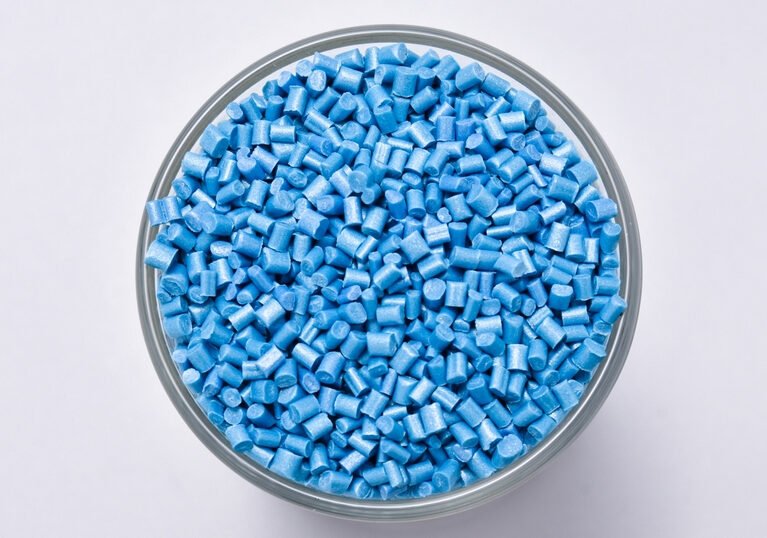
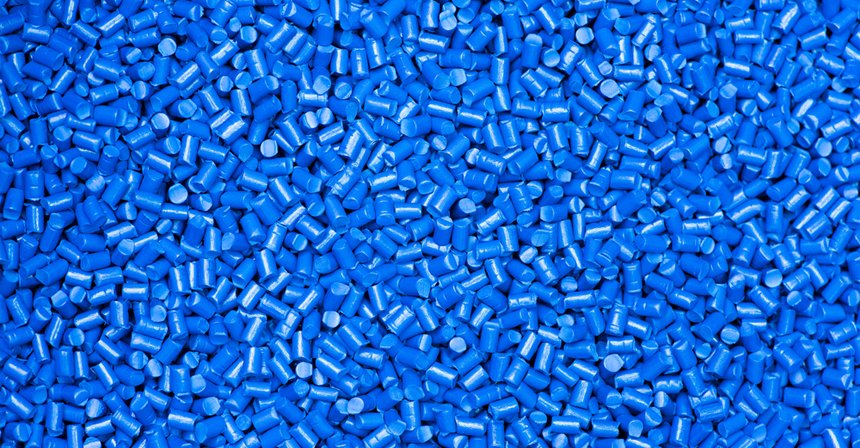
Plastic waste has become one of the world’s biggest environmental challenges — but thanks to modern recycling technologies, the industry is rapidly transforming. At Choudhary Plastics, we continuously invest in advanced recycling systems to produce high-quality recycled plastic granules such as ABS, HIPS, and PPCP that meet both industrial and environmental standards.
Let’s explore the latest innovations that are reshaping the plastic recycling industry and promoting a sustainable circular economy.
1. Advanced Sorting and Separation Systems
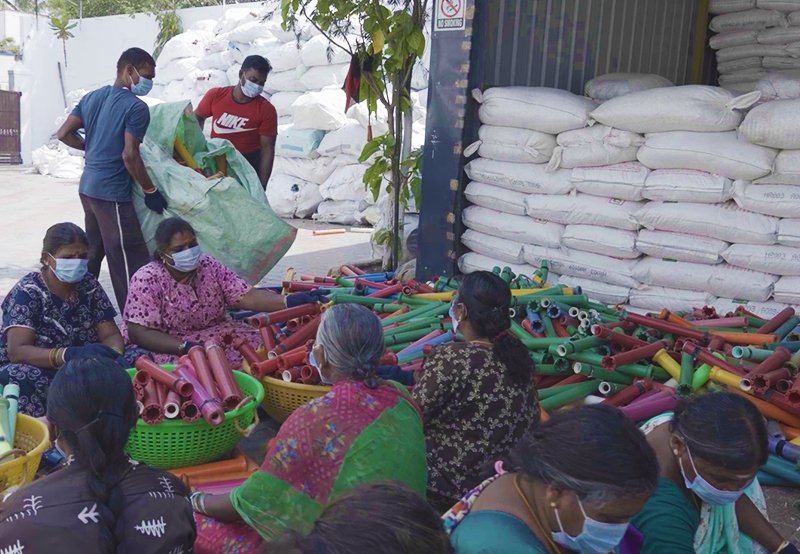
Traditional recycling relied on manual sorting, which was time-consuming and inaccurate. Today, automated sorting technologies like infrared (IR) sensors, AI-based cameras, and density separation systems can accurately distinguish different types of plastics.
This ensures that materials like ABS, HIPS, and PPCP are separated efficiently, improving purity and the overall quality of reprocessed granules.
2. Improved Washing and Drying Processes
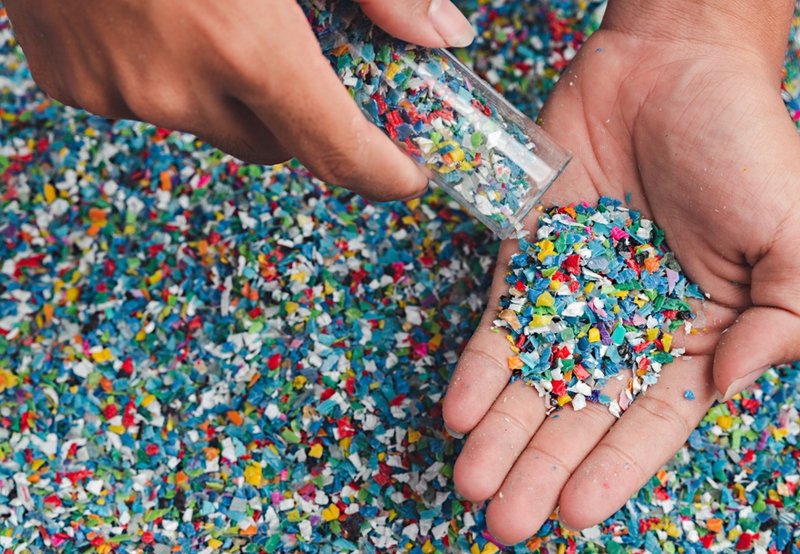
At Choudhary Plastics, we use multi-stage washing systems that remove dust, oil, labels, and contaminants from plastic scrap.
Advanced friction washing and centrifugal drying technologies minimize water usage while ensuring maximum cleanliness — leading to superior granule quality with consistent color and texture.
3. High-Efficiency Extrusion and Pelletizing
Modern extruders and pelletizers are the heart of plastic recycling.
With innovations in temperature control, filtration, and venting, these systems can melt and reform plastics without degrading their properties.
This results in recycled granules with excellent strength, uniform size, and stable molecular structure — ready for use in high-performance industrial applications.
4. Closed-Loop Recycling Systems
One of the most significant innovations in recent years is the closed-loop recycling model, where plastic waste from a specific industry is collected, reprocessed, and reused within the same sector.
For example, automotive plastic components can be recycled back into new car parts — reducing dependency on virgin materials and lowering overall production costs.
5. Chemical Recycling Technologies
While mechanical recycling dominates the market, chemical recycling is gaining attention for its ability to convert plastics back into their base monomers.
Technologies like pyrolysis, gasification, and depolymerization allow plastics that are hard to recycle mechanically to be broken down and reused, offering new potential for achieving zero-waste goals.
6. Data and AI Integration
The future of recycling is digital.
AI-driven systems are being integrated into recycling plants to monitor production quality, predict equipment issues, and optimize processing efficiency.
By combining data analytics with automation, companies like Choudhary Plastics can ensure consistent quality output and reduce energy waste during production.
Conclusion
Innovation is driving the next generation of sustainable plastic recycling. With advancements in sorting, washing, extrusion, and AI-based monitoring, manufacturers can now produce high-quality recycled granules that rival virgin plastics in performance and reliability.
At Choudhary Plastics, we embrace these innovations to offer eco-friendly, cost-effective, and industry-ready recycled materials — helping businesses build a greener tomorrow.